John Angheli - My Story
In Search of the Logos Beneath a Life
A personal account of family, exile, education, philosophy, and the deeper question of what moves the human person toward truth, goodness, and meaning.
If you have found your way to this page, you are probably wondering who I am, what I am about, and what qualifies me to speak about things like meaningful leadership, motivation, education, and the formation of a life.
A Plain Introduction
Before I listen too closely, I want to know something of the person behind the words.
This page is written in that spirit.
When I come across a project, a program, or a person whose work asks for my trust, I often begin with the “About” page too.
I have always found standard biographical pages written in the third person a little strange - especially when they are, quite often, written by the very person they describe. We do not usually introduce ourselves in real life by speaking of ourselves from a distance.
So this is not written as a formal résumé, although I will include some of that too. It is also not written as a polished institutional profile.
It is simply my attempt to tell you where I came from, what shaped me, what I have studied and worked on, and why the question of meaningful leadership has become so important to me.
From Where I Began
A small vineyard, a rebuilt house, and the cost of education.
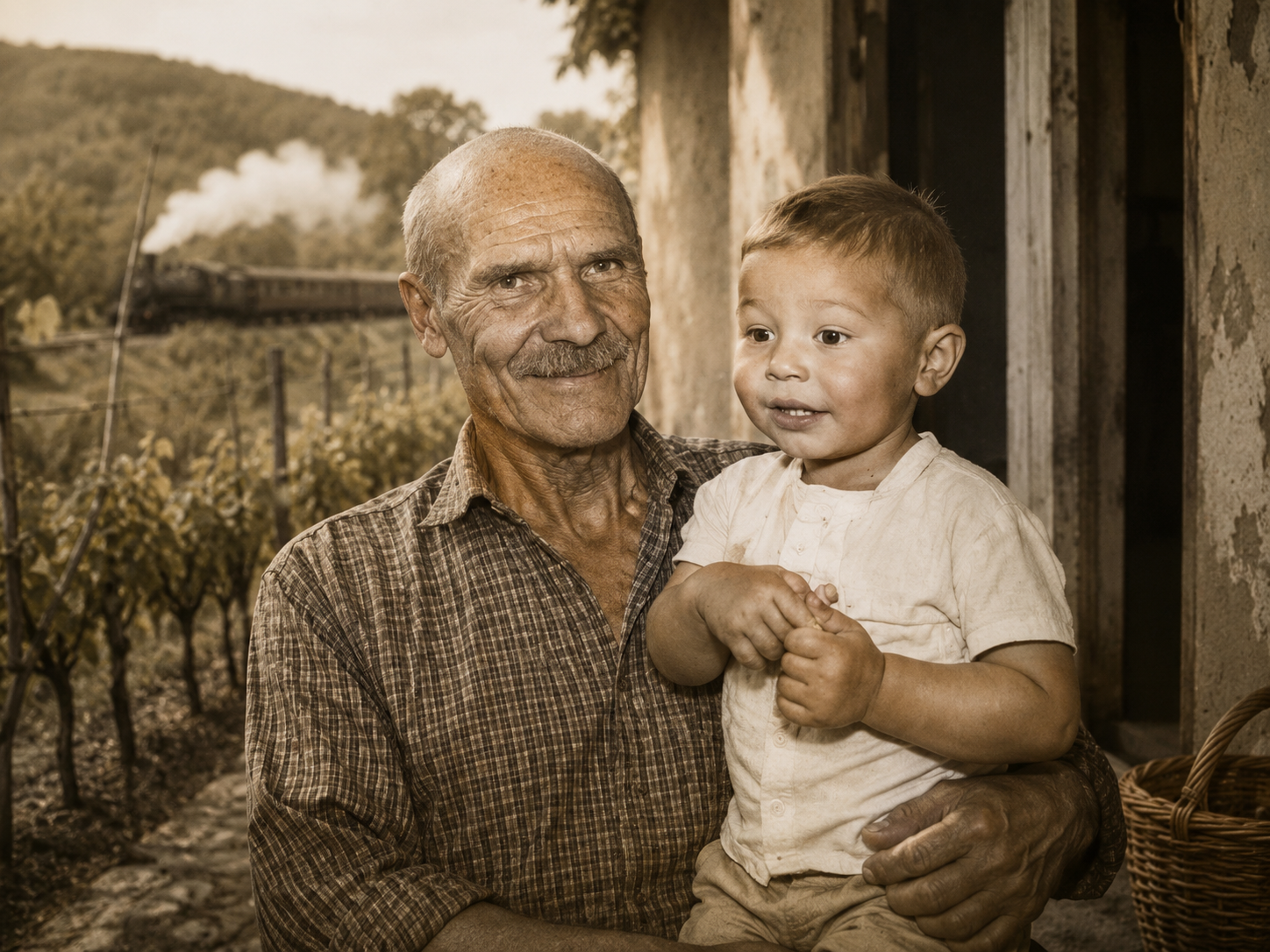
My father was born in a small rural town in Romania. He was raised on a small vineyard, and as a little boy he helped tend the family’s cows and sheep.
His father, my grandfather, was a small farmer - at least by the time the Communist Party had finished reshaping the country and its social order. But even amidst the hardship, my grandfather remained a man committed to self-sufficiency, self-education, and responsibility.
He and my grandmother had five children. Through hard work and careful saving, they managed to pay for two of their children to attend higher education. At that time, higher education had to be paid for upfront, and for a rural family this was no small sacrifice.
My father was one of those fortunate two. For his sake, my grandfather demolished his entire house and rebuilt it by hand in a better location, closer to the railway station. He did this so that his son could travel more easily to study in Bucharest.
Bucharest
There he met the woman who would become my mother.
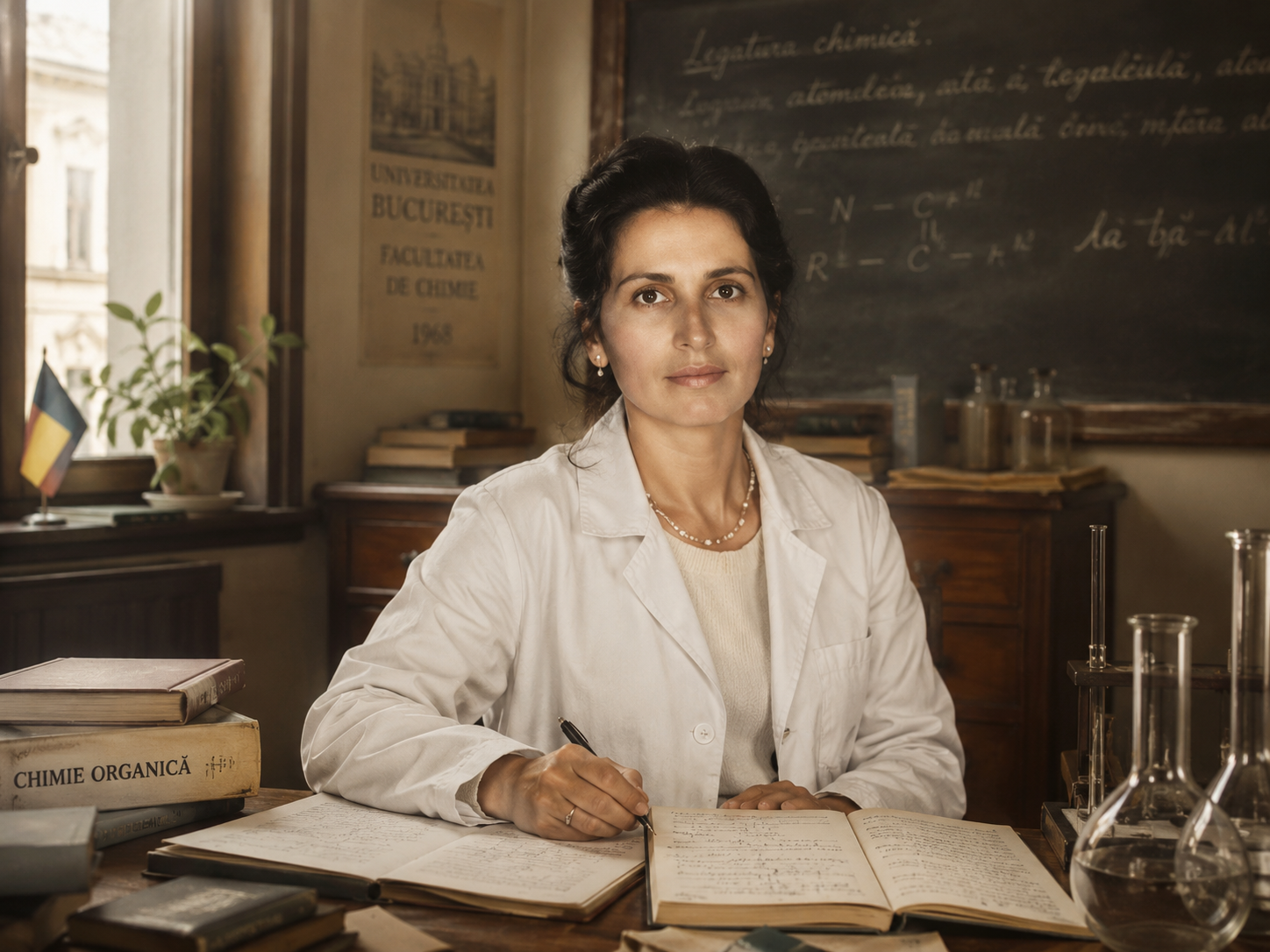
In Bucharest, my father studied genetic engineering. There he met the woman who would become my mother, an aspiring chemistry student.
My mother’s own family had also known great hardship. Her father had served as a lieutenant in World War II. A few years after the war ended, he died from an infected wound in his chest.
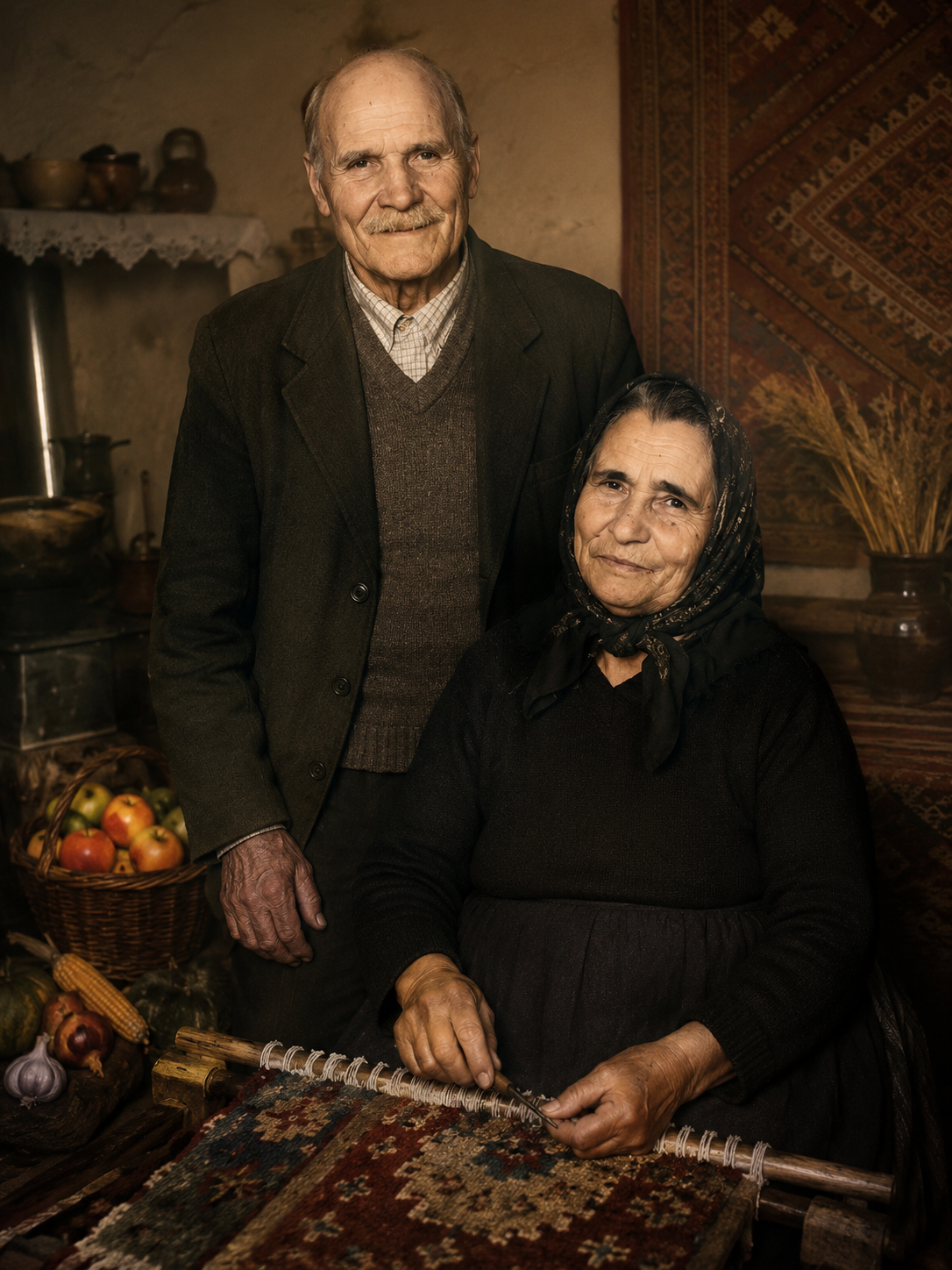
My grandmother was left a widow early in her marriage, raising five small children on her own. She made ends meet by selling produce from her small patch of land and weaving elaborate rugs in the long hours between the responsibilities of motherhood.
The brother of her late husband generously helped pay for three of her children to attend the University of Bucharest.
The Inheritance
Education was not taken for granted.
So, on both sides of my family, education came at a real cost. It was not taken for granted. It was paid for by sacrifice, discipline, family loyalty, and hope.
My parents began their own pursuit of a better life while still in their mid-twenties. They worked, saved, and tried to build a home for their two young boys.
I was raised, in those early years, largely under the care of my mother’s mother.
A Public Language Detached from Truth
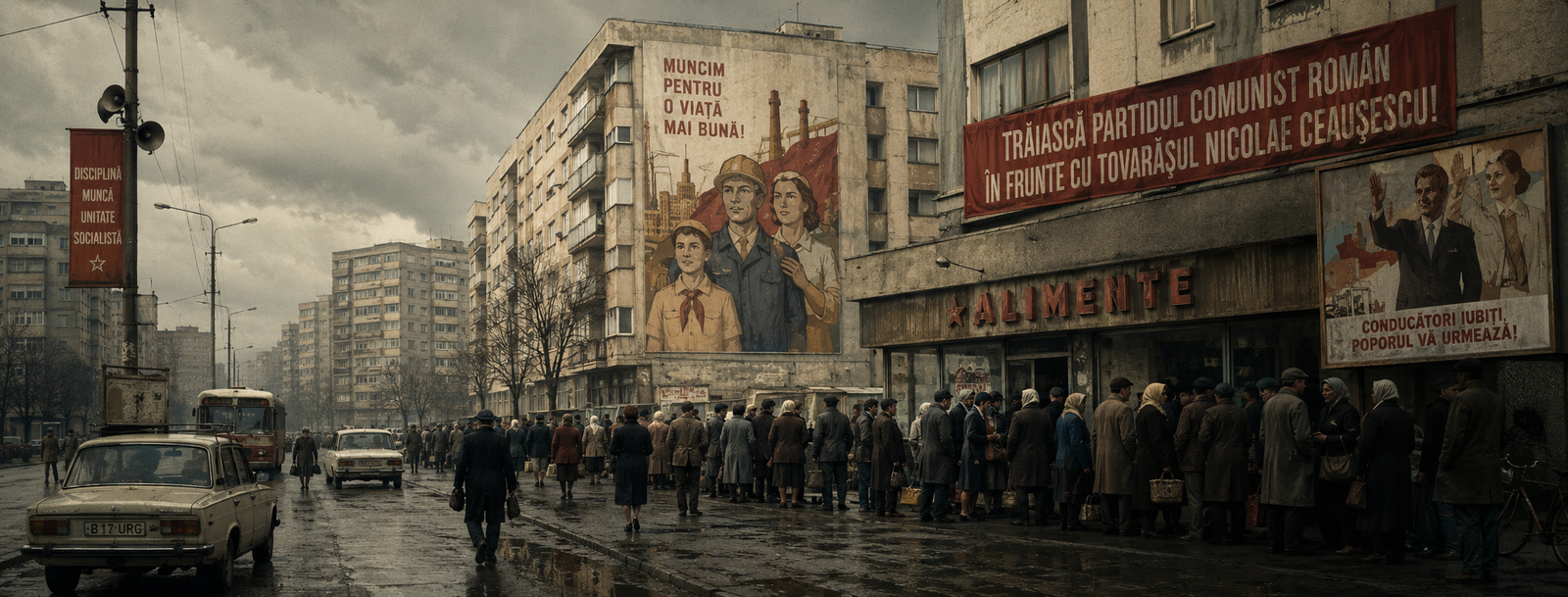
Life under communist Romania weighed heavily on my father.
As he later described it, there was a deep mismatch between the public language of the system and the private reality of ordinary life.
The language was often noble - prosperity, brotherhood, equality, the happiness of the people. But beneath the slogans, there was a culture of fear, manipulation, favours, selective privilege, and hypocrisy.
I do not write this to reduce the whole history of a people to a single political lesson. Human life is always more complex than that. There were good people, generous people, courageous people, and faithful people everywhere.
But the system itself taught my father something important: when public language becomes detached from truth, ordinary people suffer.
The Crossing
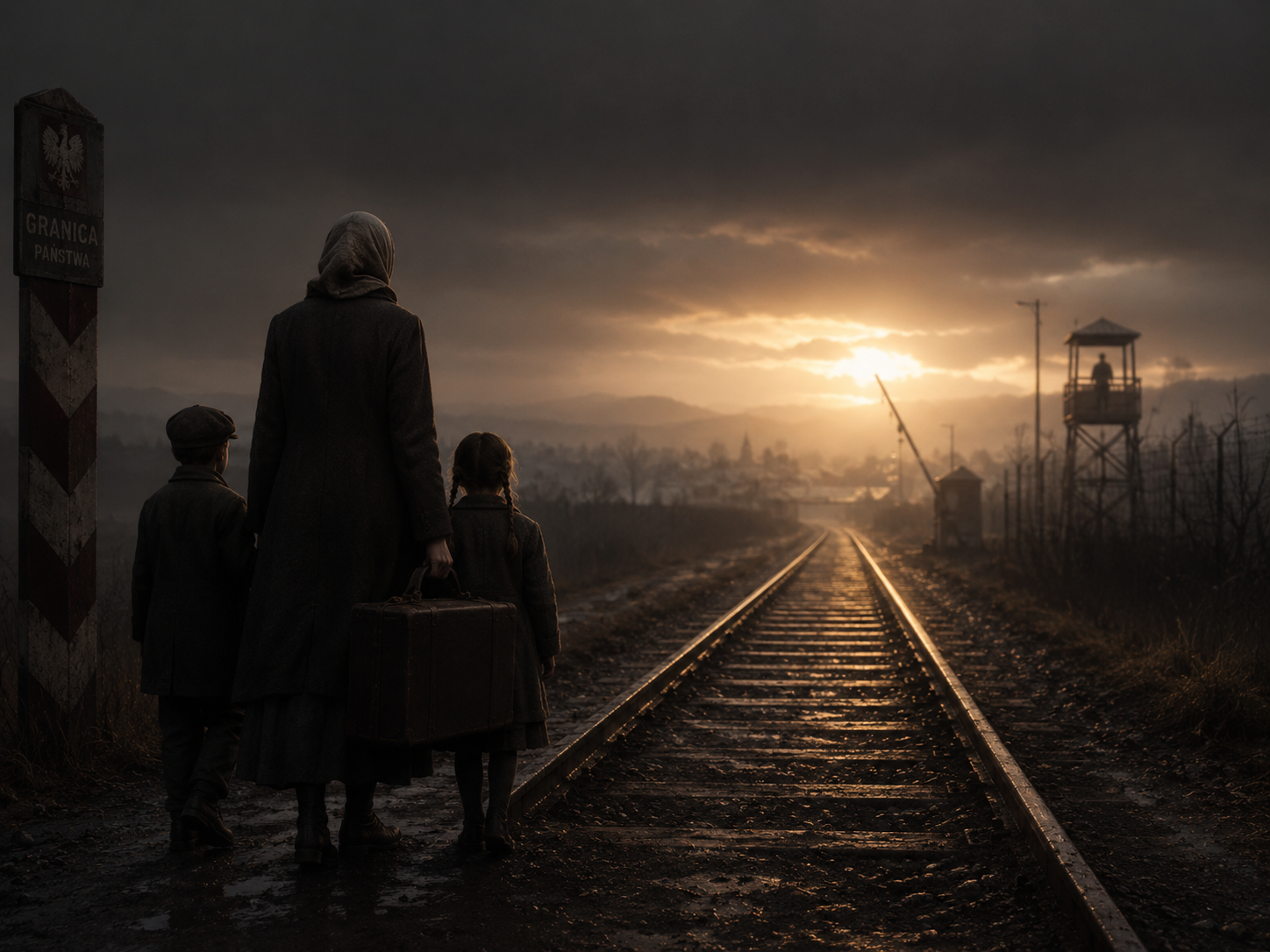
My father eventually decided to flee the country.
Through an almost miraculous series of events, he crossed to the other side of Romania and found a way over the heavily guarded border into present-day Serbia.
His hope was to reach the United States - the land whose founding words spoke of men being created equal and endowed by their Creator with certain inalienable rights.
But because he had held Communist Party membership, his application was denied. This was during the presidency of Ronald Reagan, at a time when American attitudes towards communism were understandably hard.
He was offered two alternatives: Sweden or Australia. Some of his newly found friends chose Australia. So he chose Australia too.
Childhood Joys and Historical Shadows
Rain or shine, my brother and I were given love, hope, and protection.
Meanwhile, back in Romania, my brother and I continued to live under the care and protection of my mother, my grandmother, and my wonderful godparents, Cecilia and Corneliu Bejan, from whom I inherited my middle name.
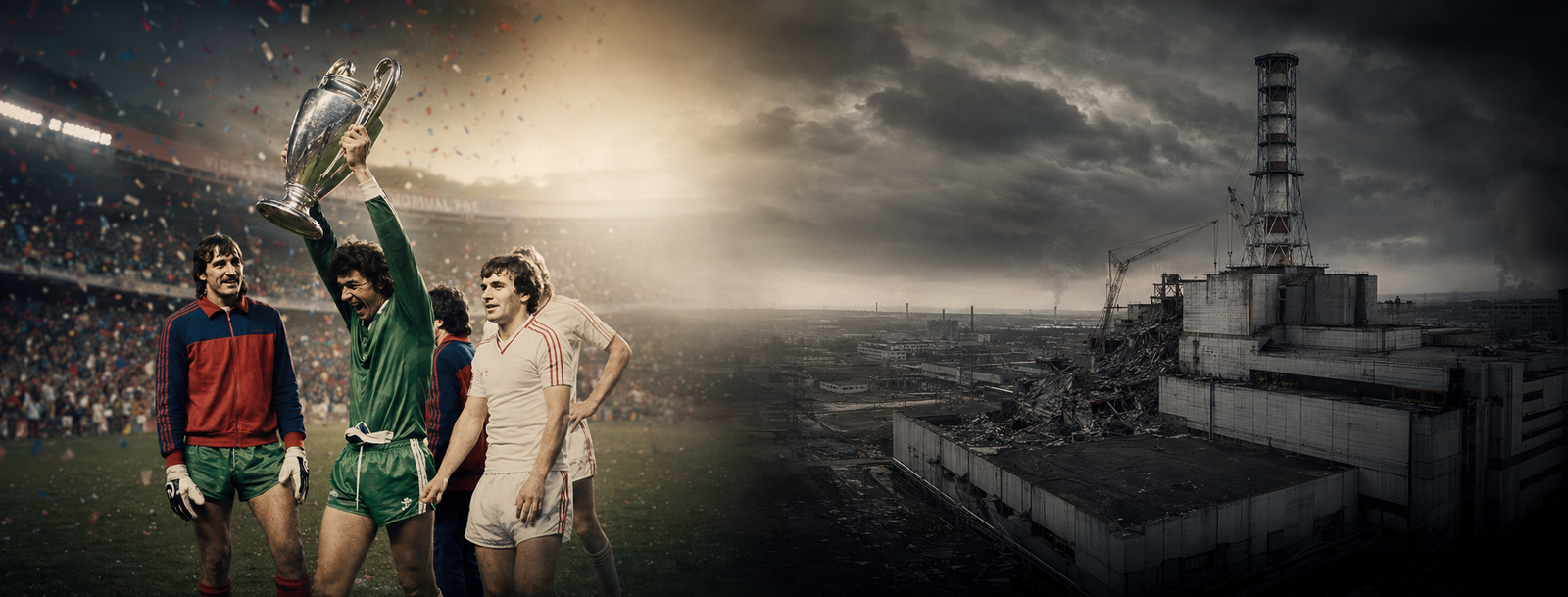
Those years contained both childhood joys and historical shadows. We experienced the excitement of Romanian football triumphs, including the unforgettable victory over Barcelona in the European Cup final. We also lived through the anxiety surrounding the Chernobyl disaster, which happened close enough to make its presence felt.
Melbourne
We came to Australia with very little.
Four years later, thanks in part to Australian negotiations that made it possible for our family to receive political asylum, we were reunited with my father in Melbourne.
We came to Australia with very little. Quite literally, we began with the clothes on our backs.
I still remember the sacrifices my parents made to give us a sound education and a chance at a happy and fulfilled life. They worked hard in a new country, with limited English, limited resources, and no inherited advantage.
One of my clearest childhood memories is the day they gave us our first major gift: a complete leather-bound set of Britannica Encyclopedias and a complete set of the Great Books of the Western World.

“Son, man does not live by bread alone.”
The Work Began There
The mind and soul need nourishment.
From their modest salaries, those books cost my parents a small fortune. It was over $2,000 at the time - a sum that would be many times greater in today’s terms.
In many ways, the work I am doing now began there.
It began with parents who believed that the mind and soul needed nourishment. It began with books placed in the home at great personal cost. It began with the conviction that education is not merely preparation for employment, but preparation for life.
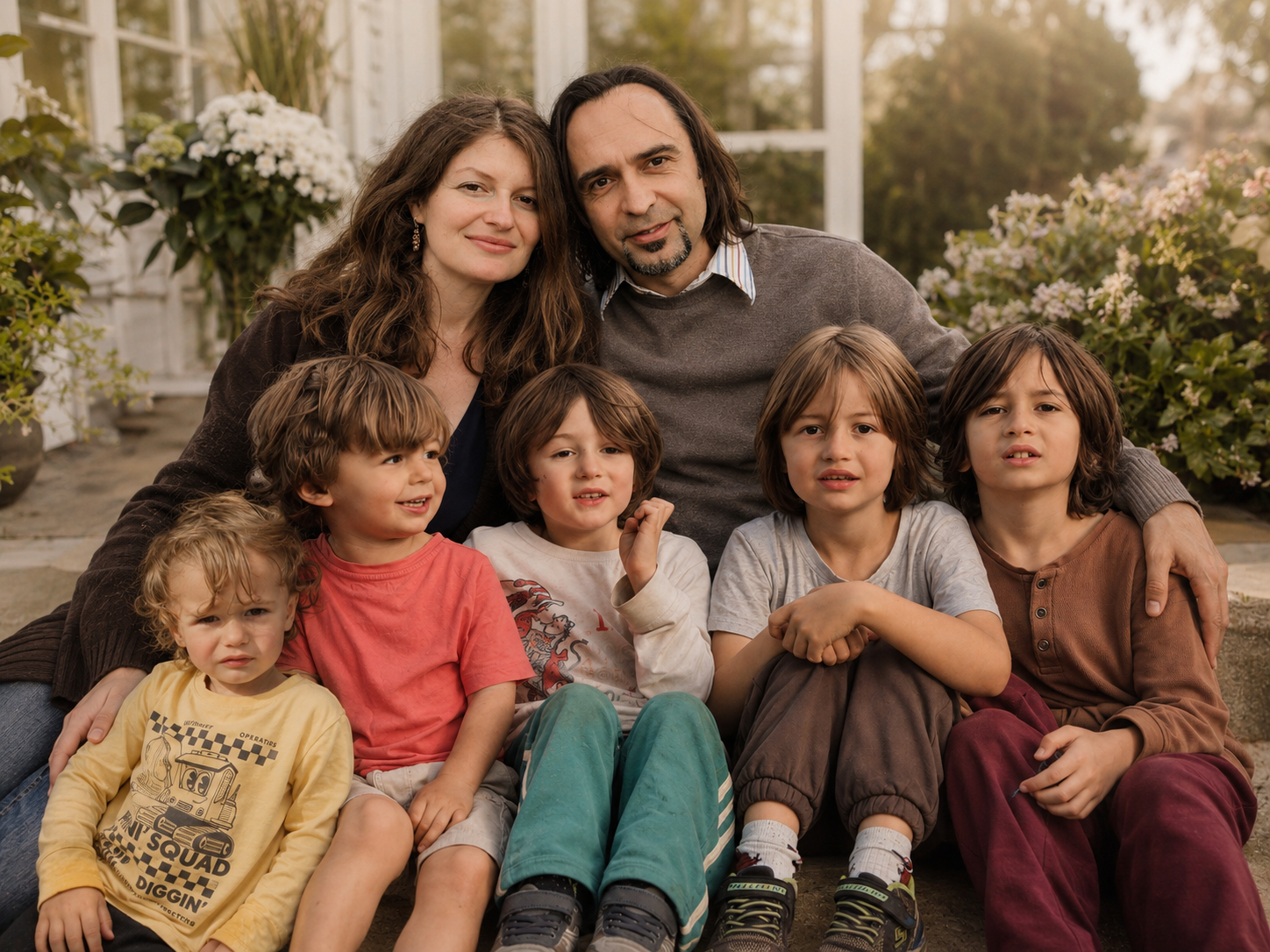
I remain deeply grateful for that inheritance. And I hope that whatever good comes from my work may continue to flower through my wife, our five boys, and the people I am privileged to serve.
The Path My Own Work Took
Architecture, business, education, philosophy - and the long question of human motivation.
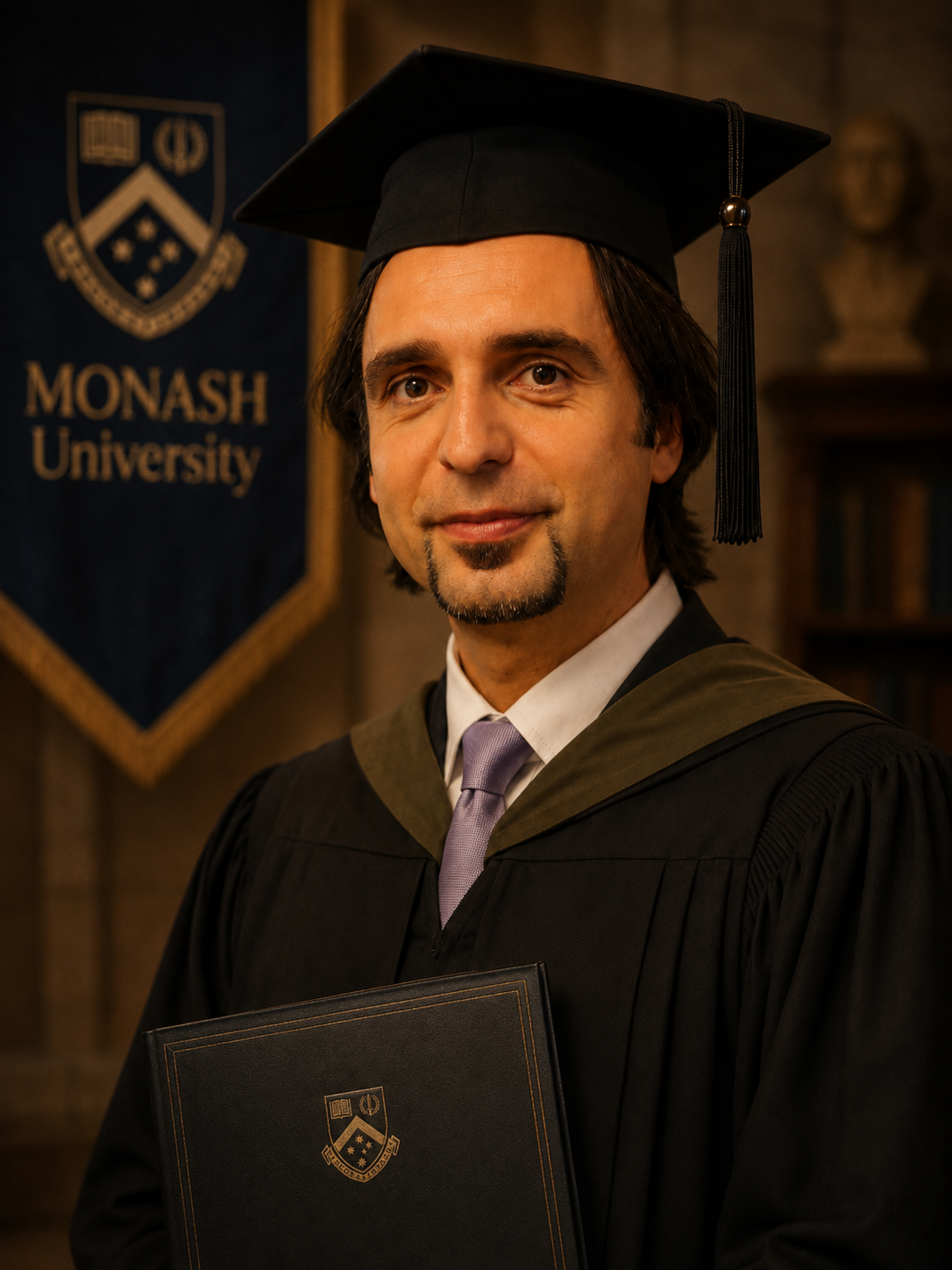
My own formal studies began in architecture. Over time, the question that drew me forward was not merely how we build structures, but how we form persons, lives, organisations, and communities.
Architecture
Bachelor-level studies in architecture, where beauty, structure, imagination, human need, and practical responsibility first converged.
Business
Completed a Master of Business, drawn to business as a field of value creation, service, decision-making, and cultural influence.
Education
Completed a Master of Education, pursuing the question of how values, aims, coaching, and formation can improve human life.
Philosophy
Completed a Master of Arts in Philosophy, seeking to better understand happiness, freedom, truth, meaning, and the Logos.
First Principles
The deeper I went, the more I realised I had entered the world of first principles.
During my business studies, I became especially interested in the central role of happiness in business itself. Not happiness in the shallow sense of temporary pleasure or motivational enthusiasm, but happiness in the deeper sense: human flourishing, meaningful work, ordered desire, purposeful contribution, and the wise use of one’s talents.
As I continued researching business and happiness, I became more interested in how people form their values, how they clarify their aims, how they make sense of their lives, and how education and coaching can help them develop a more truthful and fruitful perspective.
But the deeper I went into questions of motivation, happiness, education, leadership, and values, the more I realised these were no longer merely technical or professional questions. They were philosophical questions.
The Question Beneath the Questions
What is the human person? What is happiness? What is freedom? What is truth?
Beneath all of these, I found myself returning again and again to the question of the Logos.
By Logos, I mean the meaningful order of reality - the conviction that truth can be sought, reason can be trusted, conscience matters, beauty nourishes the soul, and human beings are responsible for the use of their awareness, reason, imagination, and will.
Alongside these studies, I worked in higher education and vocational business studies. I served as President of the Australian Life Coaching Society. I coached entrepreneurs and leaders for more than fifteen years. And I eventually founded the Center for Motivation Research as a way of bringing this long inquiry into a more focused form.
The central question behind this work is simple, but not easy: how can we better align our motives, aims, decisions, and daily actions with what is true, good, meaningful, and worthy of the human person?
Why Meaningful Leadership Matters
Leadership begins in the alignment of the person.
The project of meaningful leadership is, in many ways, the fruit of the values that were instilled in me from youth.
I was raised to understand that material security matters, but that it is not enough. Bread matters. Shelter matters. Employment matters. Practical life matters.
But man does not live by bread alone.
We also live by meaning, conscience, truth, love, beauty, responsibility, and the search for what is worthy of our lives.
Leadership is not merely influence. It is not merely visibility. It is not merely strategy, charisma, communication, or performance.
Formation
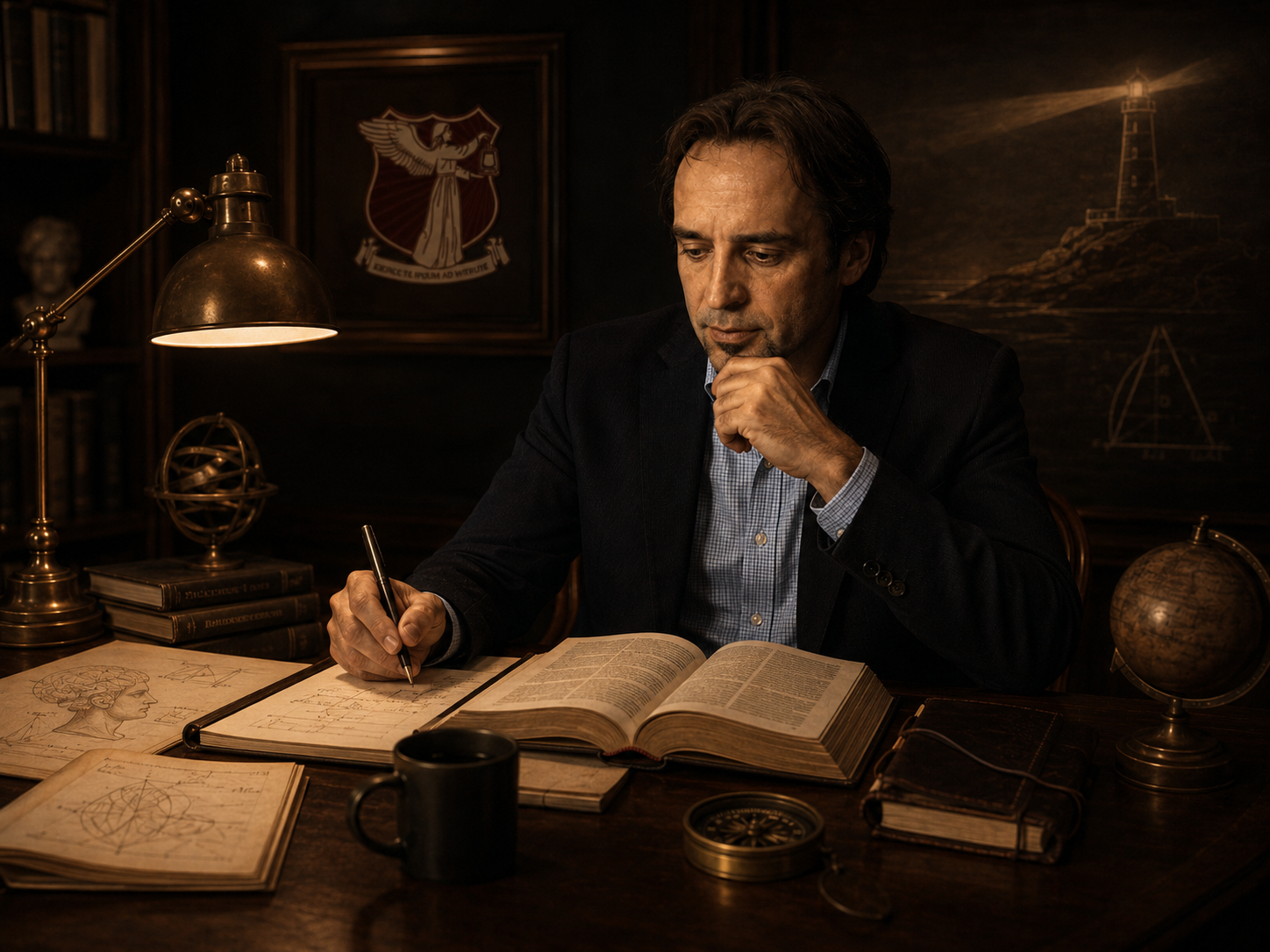
Leadership begins with awareness. It is strengthened through reason. It is animated by imagination. It is carried into reality by will.
Where My Hope Is
We can recover a richer understanding of the human person.
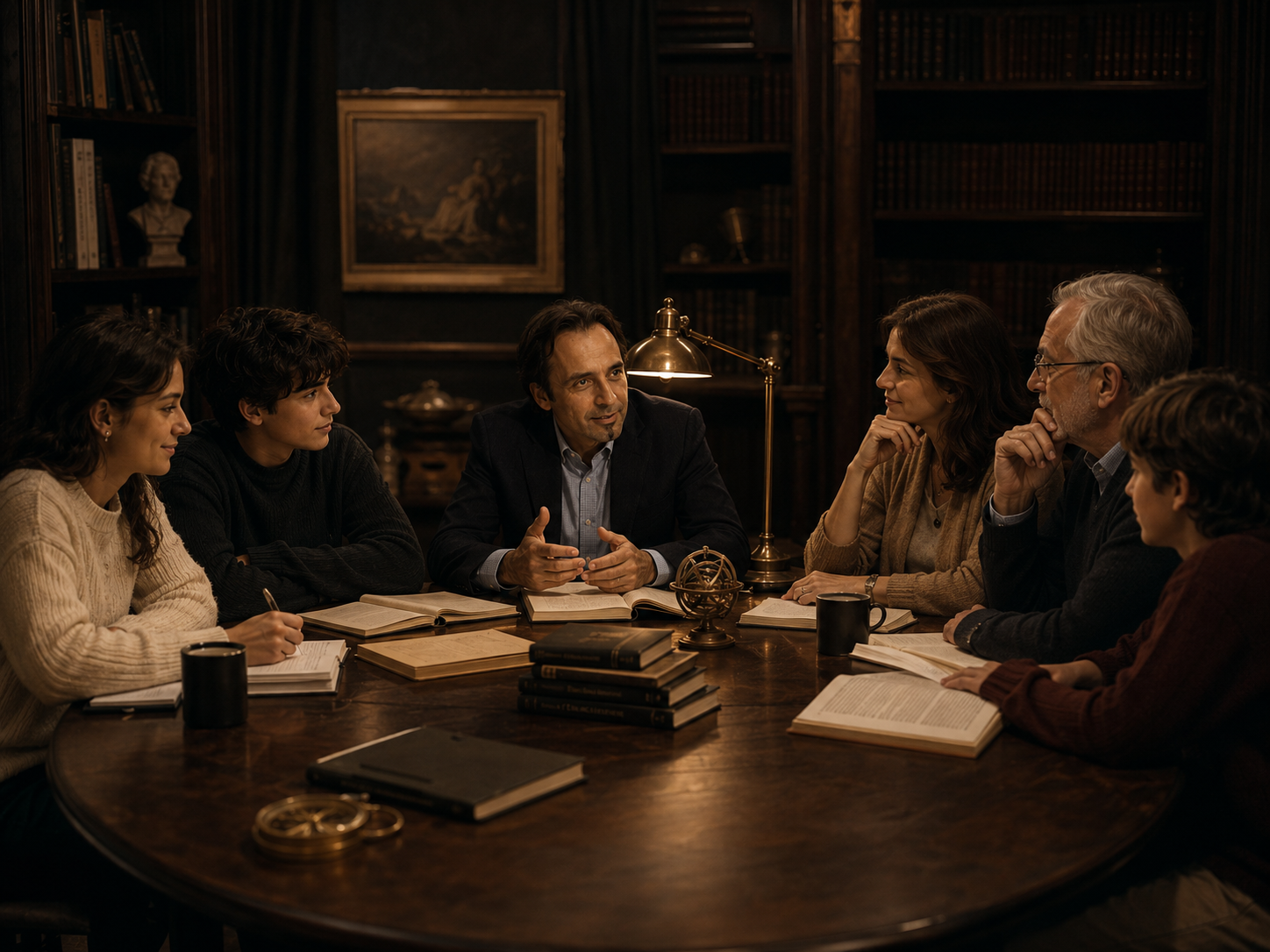
By formation, I mean the gradual strengthening of the whole person: the mind, the conscience, the imagination, the will, the habits, the affections, the relationships, and the responsibilities that make up a life.
We live in a time of extraordinary opportunity. In many ways, an ordinary person today has more access to knowledge, comfort, mobility, tools, and freedom than many kings and queens of ages past.
That should make us grateful. But it should also make us careful.
Because abundance does not automatically produce wisdom. Information does not automatically produce understanding. Opportunity does not automatically produce purpose. Freedom does not automatically produce self-mastery.
Culture and Responsibility
My family story has made me attentive to the moment when language begins to separate itself from truth.
This is where cultures begin to weaken.
Not first in their laws. Not first in their economies. Not first in their institutions.
But in their words.
When words no longer name reality, they begin to conceal it. When education no longer forms the person, it begins to manage opinion. When leadership no longer serves truth, it begins to serve performance, ideology, appetite, or fear.
We live with gifts.
Freedoms, protections, traditions, and opportunities. These are not small things. They deserve gratitude.
But gifts can be neglected.
- Freedom can become drift.
- Education can become credentialing.
- Leadership can become image.
- Compassion can become sentiment.
- Justice can become a slogan.
- Meaning can be quietly replaced by utility.
This is why ideas matter.
Ideas do not remain in books. They become habits, policies, institutions, families, ambitions, and ways of treating one another.
If our idea of the human person is too small, our institutions will eventually become too small for the soul.
If we reduce human beings to economic units, political categories, psychological impulses, social identities, or consumer preferences, we eventually lose sight of the depth and dignity of the person.
And when that dignity is forgotten, families weaken, organisations lose their humanity, communities fragment, and societies become increasingly unable to nourish the people they claim to serve.
The task, then, is not merely to criticise the age. The task is to recover a truer vision of the human person - one large enough for conscience, reason, imagination, love, sacrifice, responsibility, beauty, and the search for God.
Only from such a vision can genuinely humane families, organisations, communities, and cultures be built.
What I Am Trying to Build
My work is a response to the need for meaningful formation.
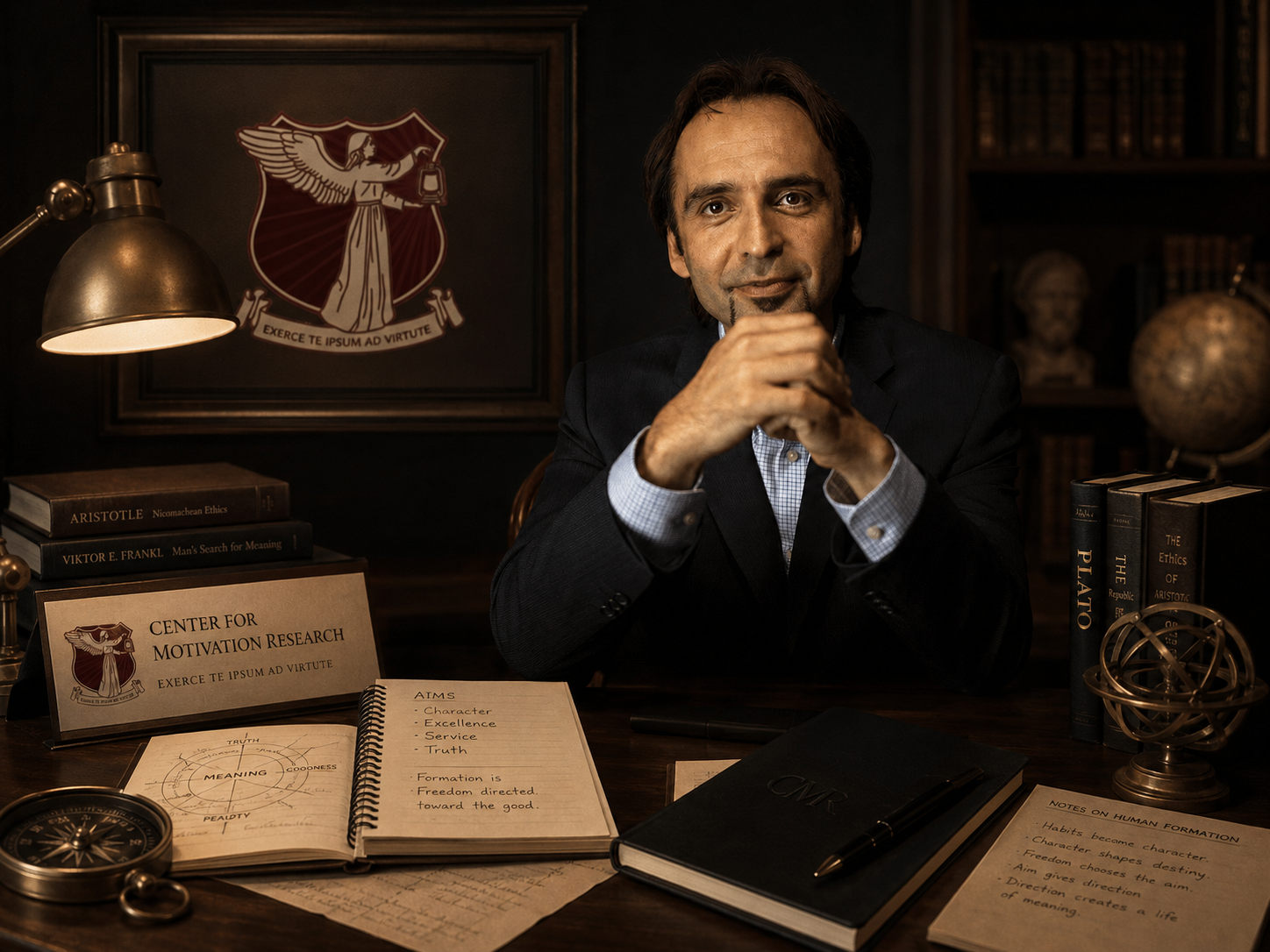
My work through the Center for Motivation Research is an attempt to explore how human beings can better understand their motives, clarify their aims, strengthen their faculties, and align their actions with what is meaningful and good.
I do not pretend to have all the answers. I do not ask anyone to accept my claims merely because I make them. And I do not believe meaningful leadership can be built through pressure, manipulation, hype, or simplistic formulas.
My aim is to invite serious people into a more serious conversation about life, work, leadership, motivation, education, and human flourishing.
A Word of Sincerity
A life is not formed by slogans, but by what it learns to love.
That is why motivation, education, and leadership must be handled with reverence.
The work is serious because the human person is serious.
Current Projects
Four practical expressions of the same deeper question.
How can we better align our motives, aims, decisions, and daily actions with what is true, good, meaningful, and worthy of the human person?
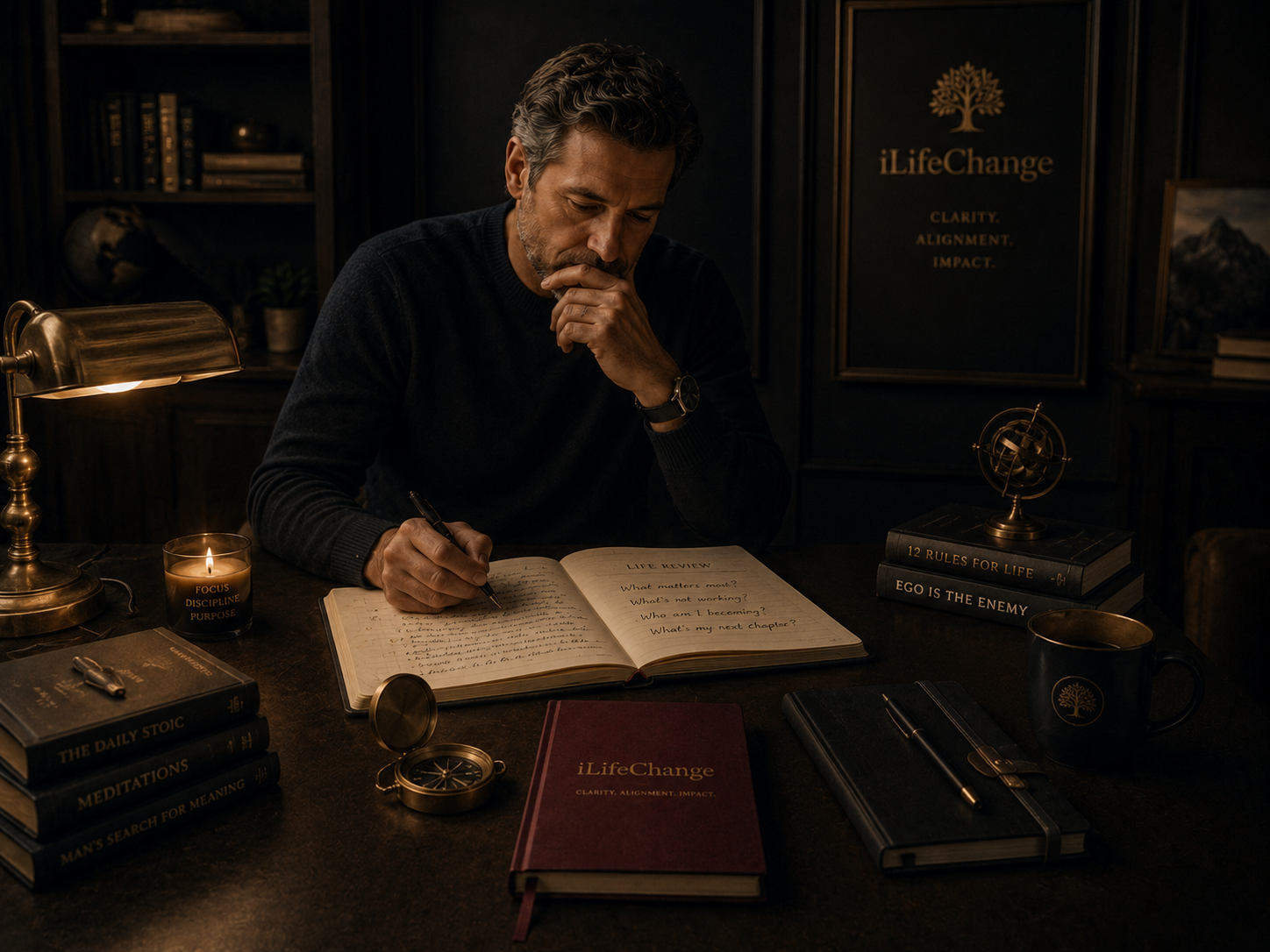
Personal Formation
iLifeChange / Meta-Motivations
A deeper formation pathway for examining the motives beneath one’s life, clarifying what is truly worth pursuing, and realigning action around meaningful aims.
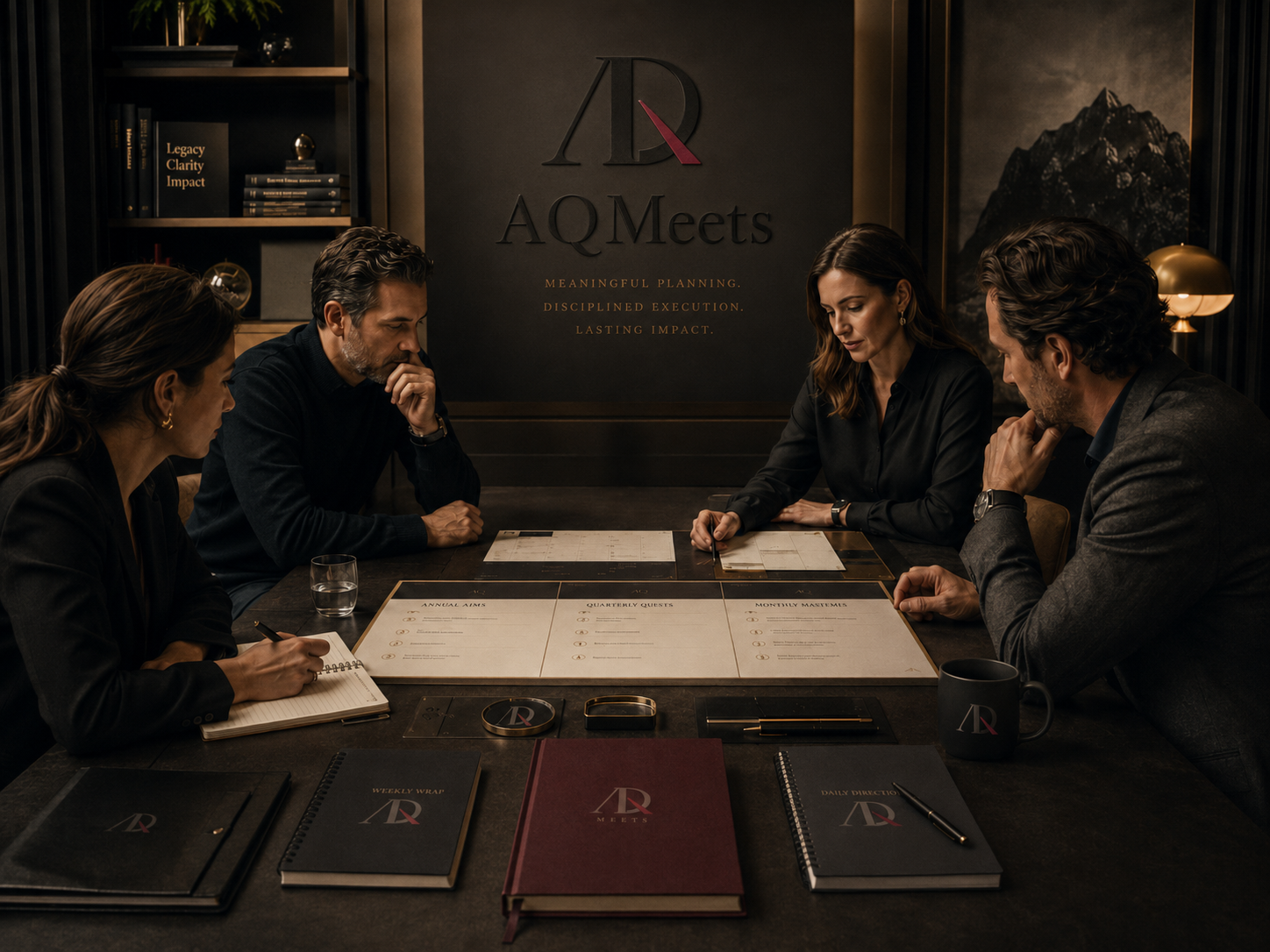
Meaningful Execution
AQMeets
A live rhythm of annual aims, quarterly quests, monthly masteries, weekly wraps, and daily directives to help serious people turn meaningful aims into disciplined execution.
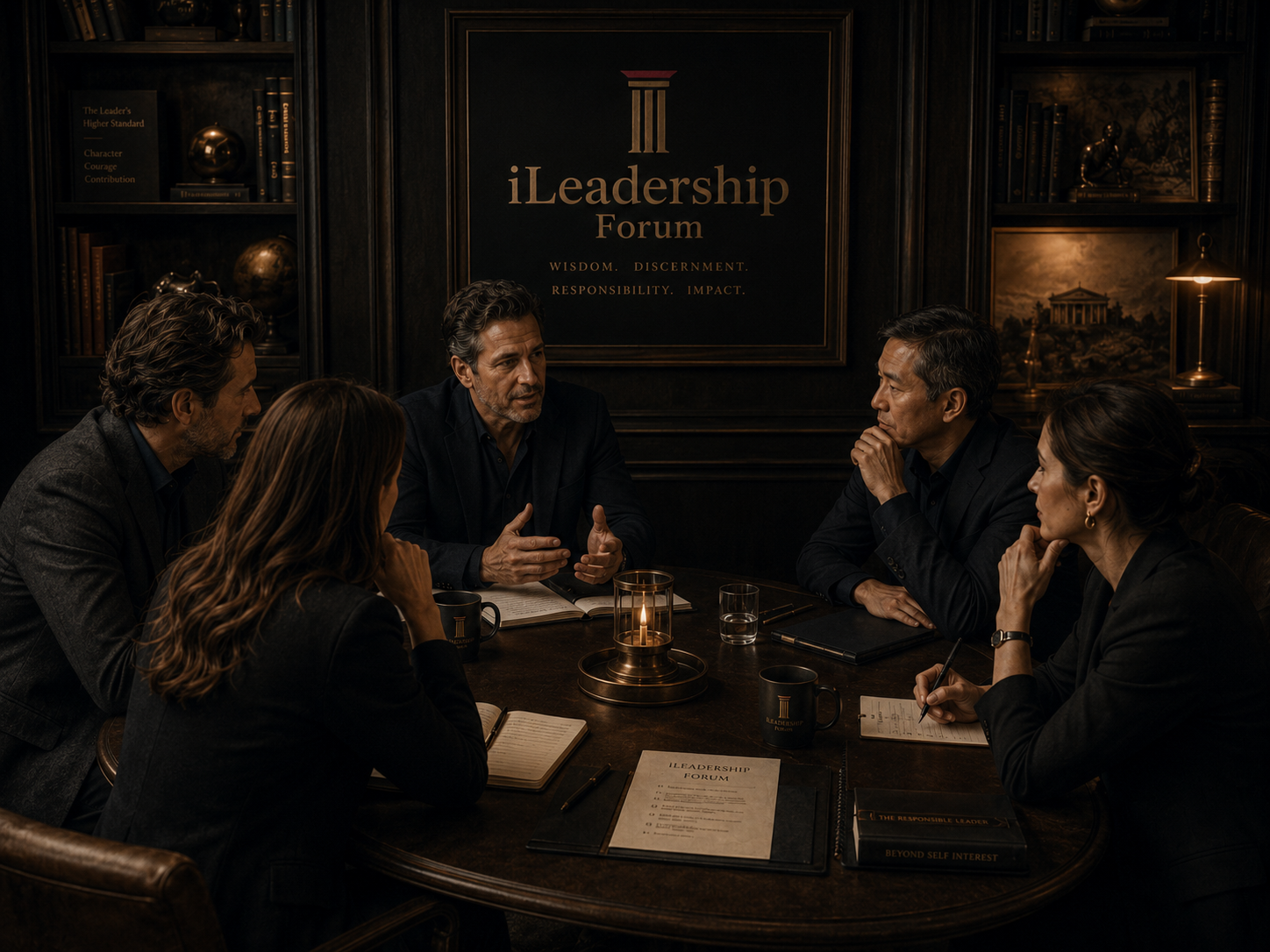
Leadership Formation
iLeadership Forum
A monthly leadership formation experience for people who want to think more deeply, lead more truthfully, and take responsibility for the culture they help shape.
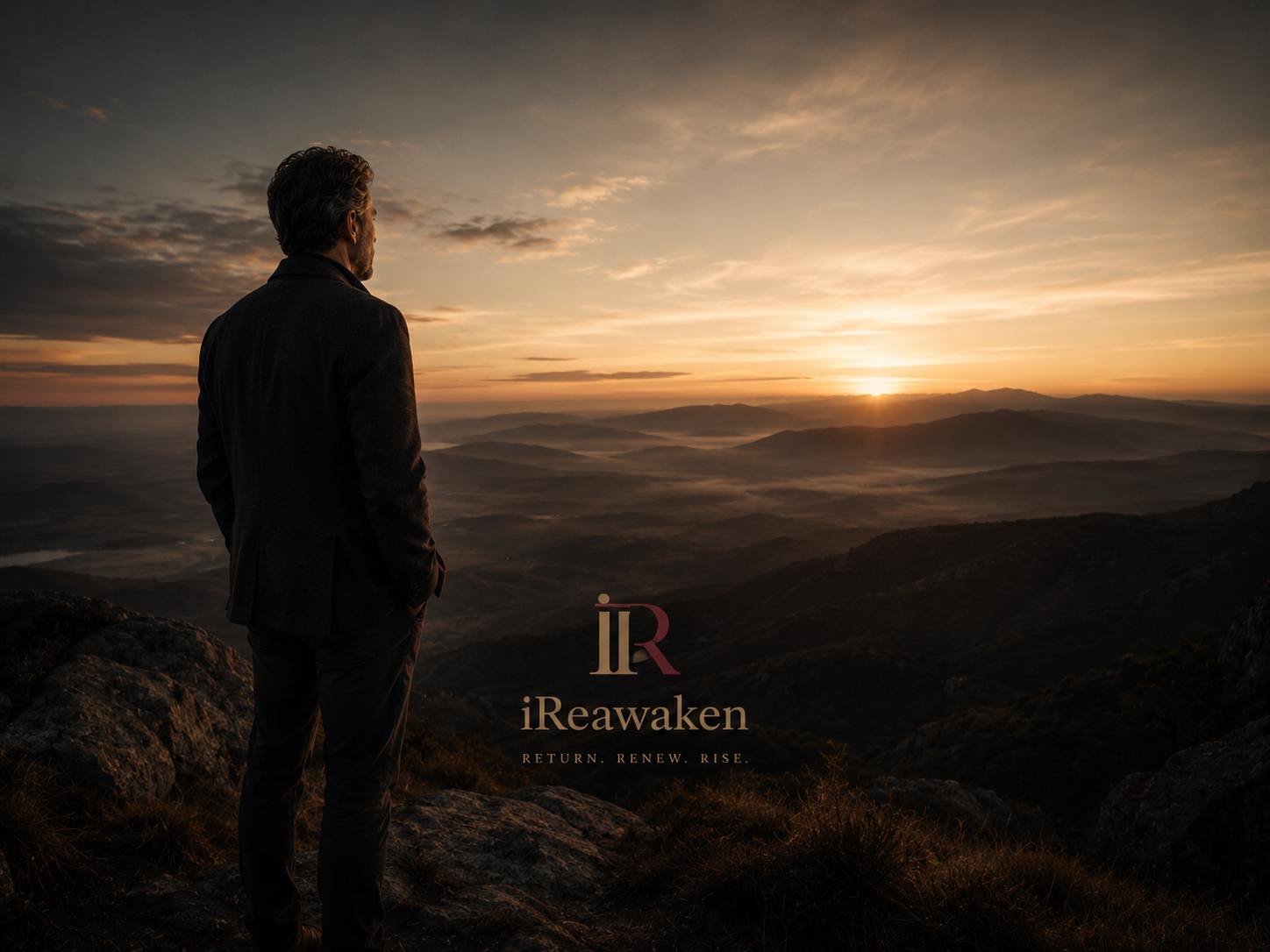
Awakening to Meaning
iReawaken Experience
A live experience designed to help people pause, examine the life they are living, and begin returning to the question of what is genuinely meaningful.
Let Us Begin
The future is not yet written.
We are not forced to continue down the road of distraction, exhaustion, cynicism, shallow ambition, and the meaningless rat race.
There is another way. We can learn to think more clearly. We can learn to desire more rightly. We can learn to act more deliberately. We can learn to recover the thread of meaning in our lives, our work, our families, and our responsibilities.
That, for me, is the hope: a hope for a richer education of the person, a hope for more truthful leadership, a hope for renewed courage, a hope for the rediscovery of the Logos, and a hope that what is true, good, and beautiful may once again become central to how we live.
If this speaks to something in you, I am glad you are here.
Let us begin. Right here. Right now.